Climate
Carbon footprint
scope 1 & 2 (tCO₂e)
scope 1 & 2 (tCO₂e)
19,900
Target:
Net zero by 2045
(inc. scope 1, 2 & 3)
We unleash the potential of the circular economy
Mitigating climate change and ensuring the sustainable use of natural resources require concrete action. At L&T, our climate and biodiversity work is based on the circular economy. We keep materials in circulation, reduce emissions and prevent environmental impacts across the entire value chain.
Every day, we work to reduce the harmful environmental impacts of our own operations and those of our customers, while scaling circular economy solutions that regenerate natural resources.
Results are from 2025.
19,900
Target:
Net zero by 2045
(inc. scope 1, 2 & 3)

61.8
Target:
70% by 2030

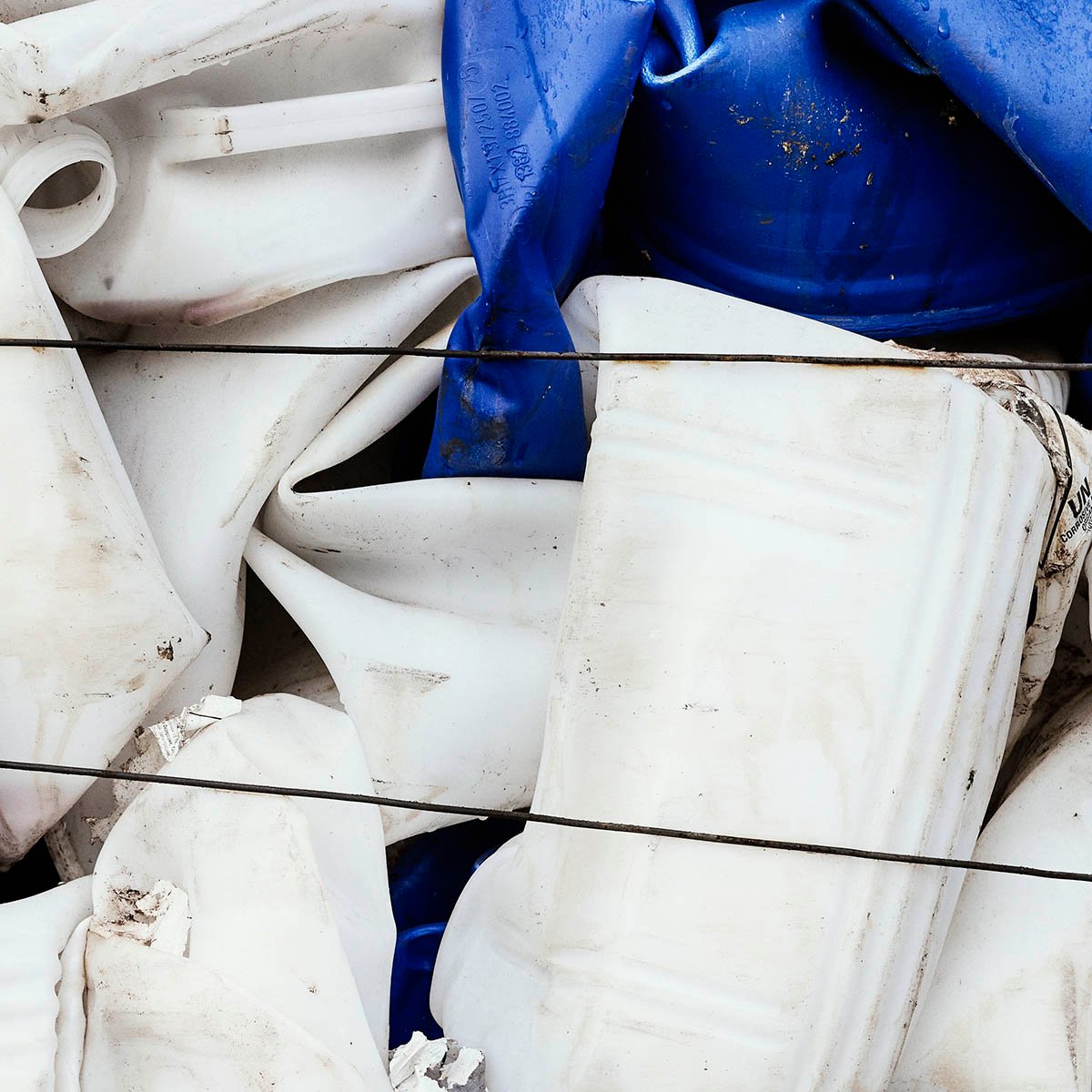

The greatest climate impact arises in our customers’ operations, and a significant share of emissions comes from the production and use of materials. Through the circular economy, we return materials back into use, reduce the need for virgin raw materials and decrease emissions across the entire value chain.
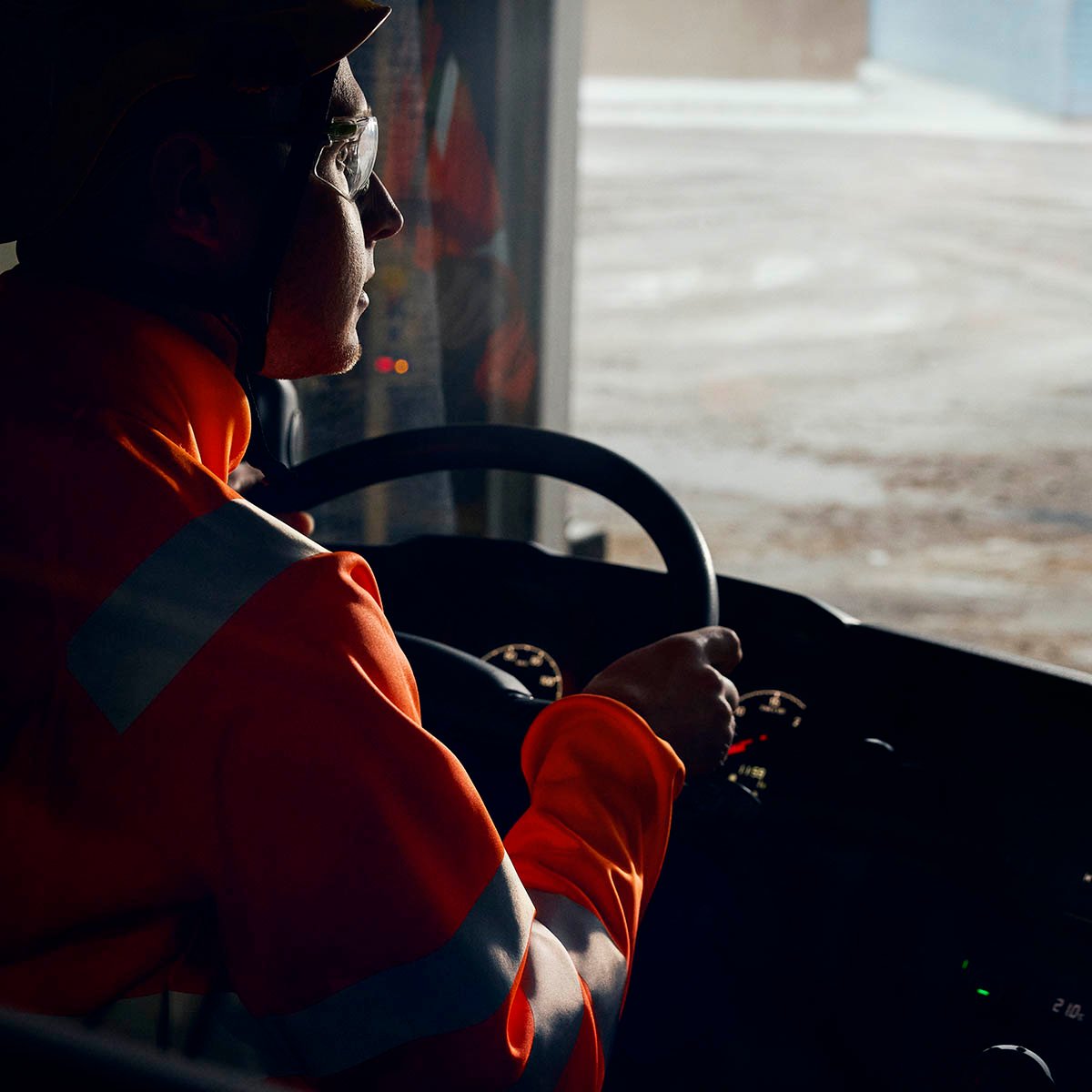
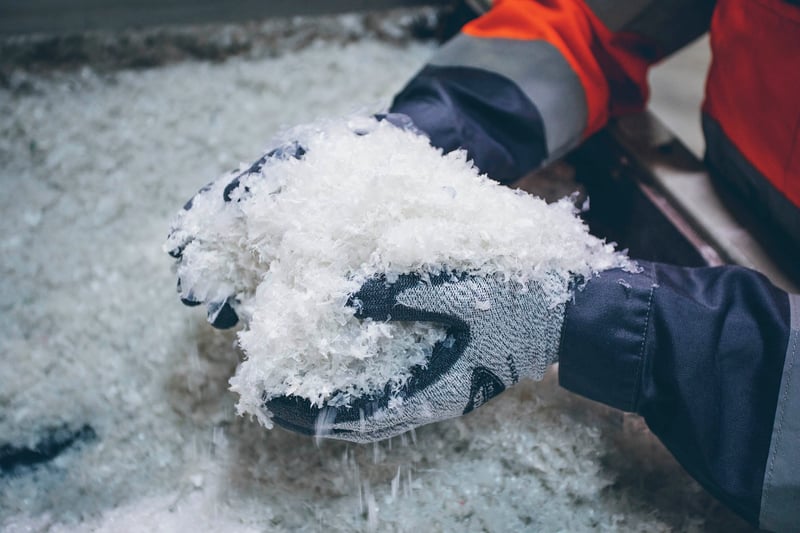
We have reduced emissions in our own operations step by step since 2018 and have already achieved our target of halving these emissions. We continuously invest in low‑emission equipment, increase the use of renewable fuels and utilise emission‑free energy.
Our goal is to reach net zero emissions in our own operations and across the value chain by 2045.


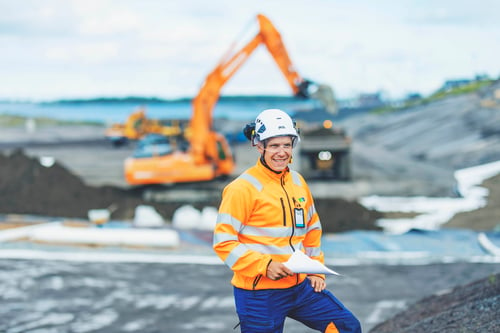
Our biodiversity work is reflected in concrete solutions. We restore areas, rehabilitate land and return both areas and materials back into use. In this way, we reduce environmental impacts and support biodiversity in practice. Our work can be seen in restored land areas and habitats that have begun to recover.
Our circular economy solutions are key to reversing biodiversity loss.
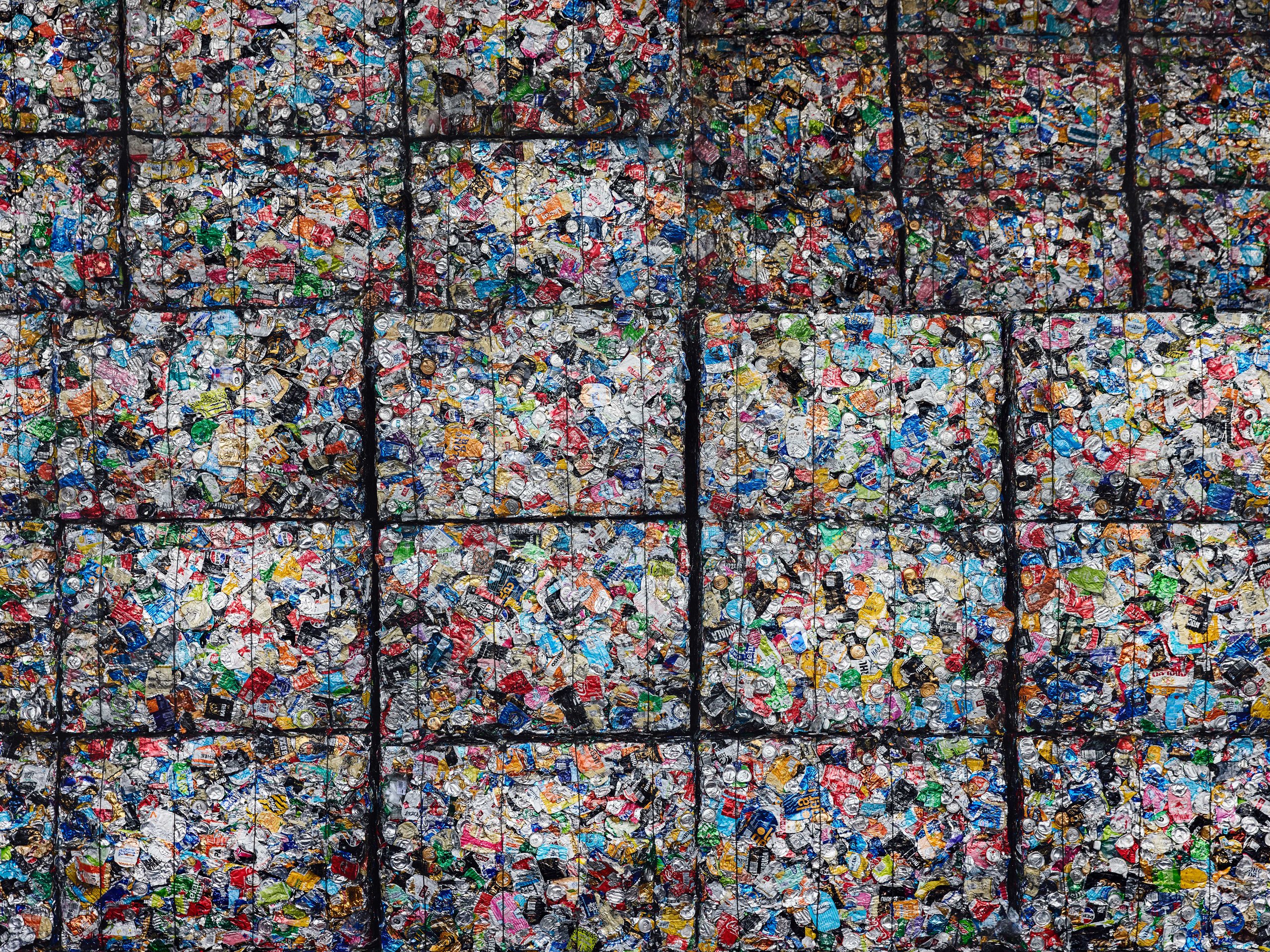
Climate action requires long-term, continuous development. We will continue to reduce emissions in our own operations, develop our supply chain and increase emissions reductions for our customers.
Our goal is to achieve net zero emissions by 2045 and to promote more sustainable use of materials and natural resources.
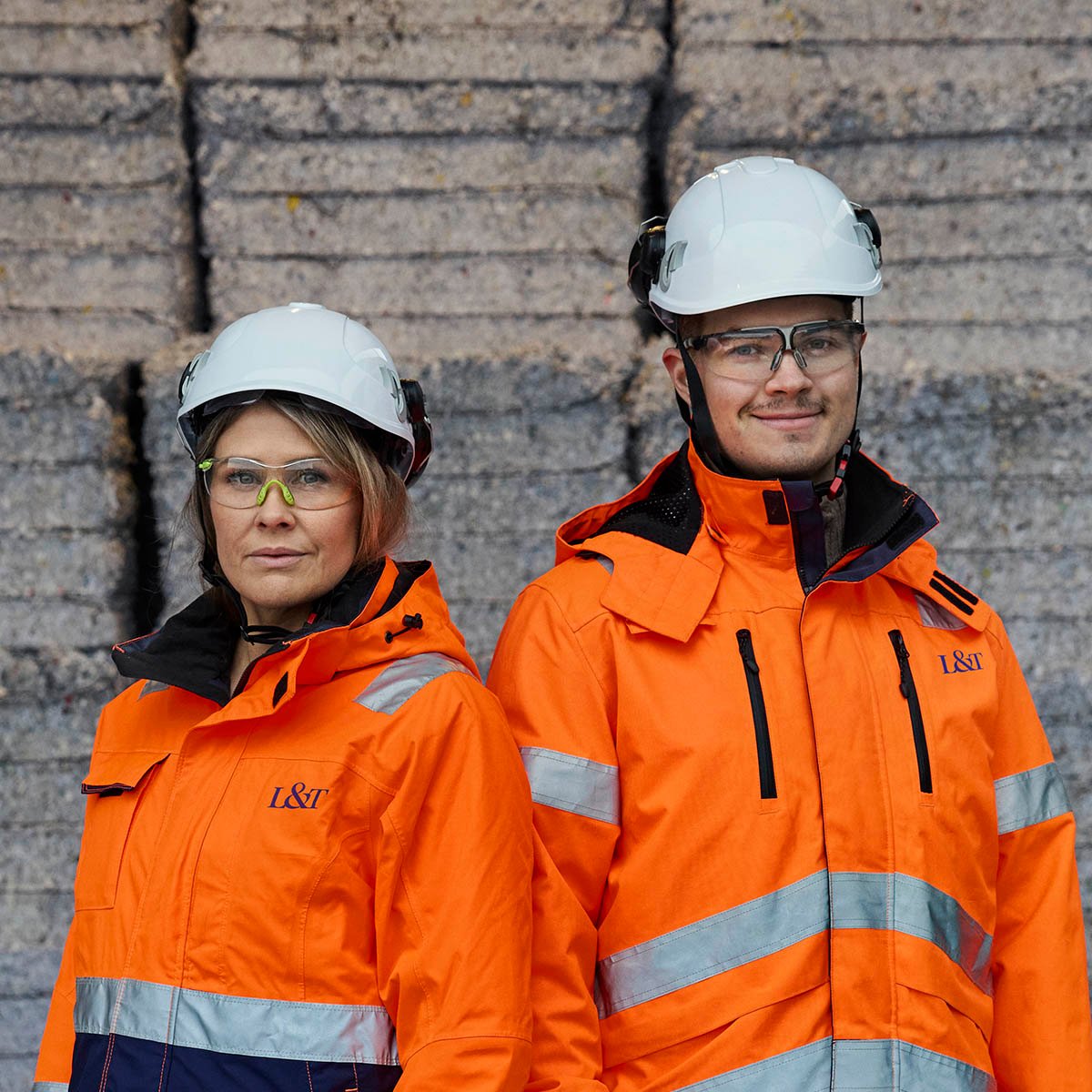
Climate and environmental targets cannot be achieved alone. Companies need a partner that can provide practical solutions and demonstrate measurable impact.
L&T’s role is to integrate the circular economy into our customers’ everyday operations, offer solutions for improving material use, and provide reliable data to support decision-making.
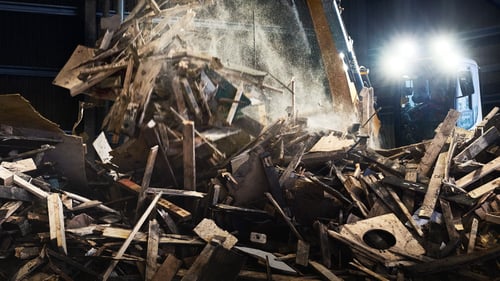
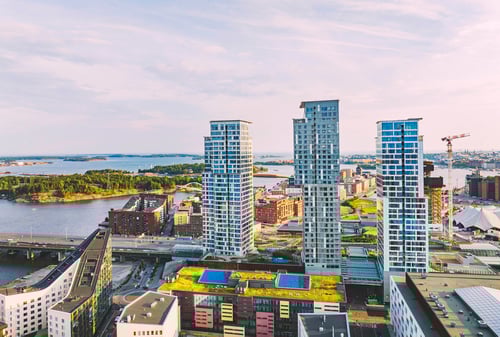
L&T keeps materials in circulation, reduces emissions and helps customers improve resource efficiency with circular economy solutions.
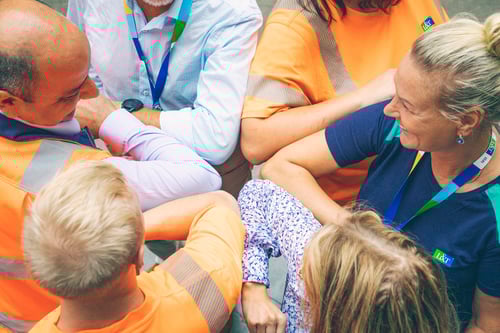
Our goal is a healthy and highly skilled workforce. Safe everyday work and smooth operations create the foundation for success.


Our goal is to ensure that our operations are ethical and transparent and that no serious incidents or violations occur.
Our sustainability targets are part of our strategy, and we monitor and report results on a quarterly basis.